
There is one question that matters more than any other when you pick a fifth-wheel hitch: how securely does the head hold the king pin while you tow? Everything else, ride comfort, confidence, ease of use, follows from that. Here is how the common jaw designs hold the pin, and how PullRite's is different.
The clamshell jaw
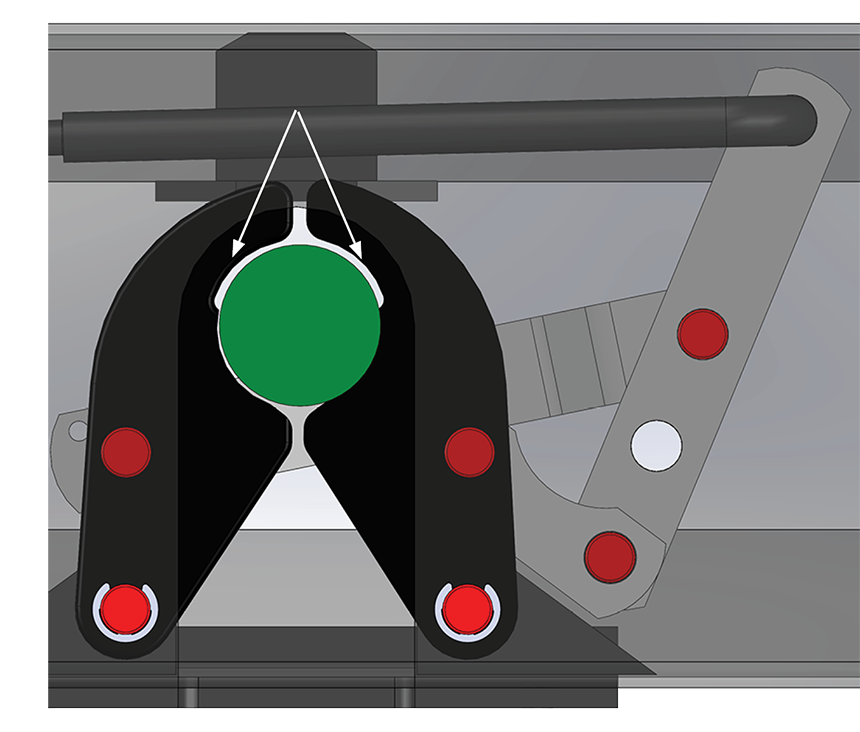
A clamshell looks like it wraps the pin, but it leaves a lot of open space around the 2" shaft, room for slop and chucking, that back-and-forth clunk you feel. There is little metal actually behind the pin, the load rides on thin 5/8" arms, and the jaw cannot close all the way, so makers shave an angle to keep it from sticking. That same shaved angle is what lets it let go under hard side load.
The hook-style jaw
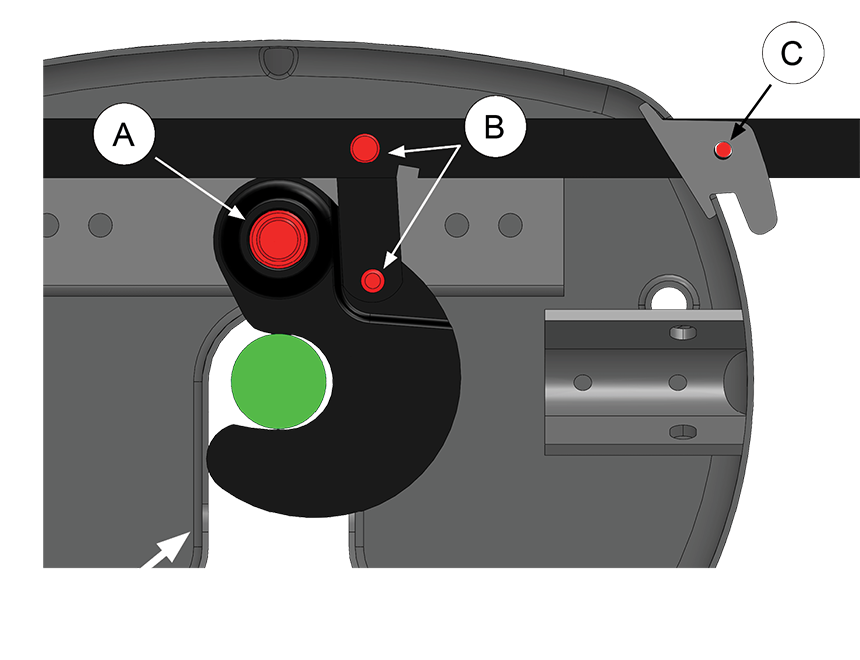
A hook hangs the pin off a cantilever held at four points: the main shaft plus a pair of 1/2" pins and a smaller safety pin. The main support looks beefy at 1-1/2", but it is still thinner than the 2" king pin, so every bit of tongue weight funnels into those few small points.
Slide-bar jaws
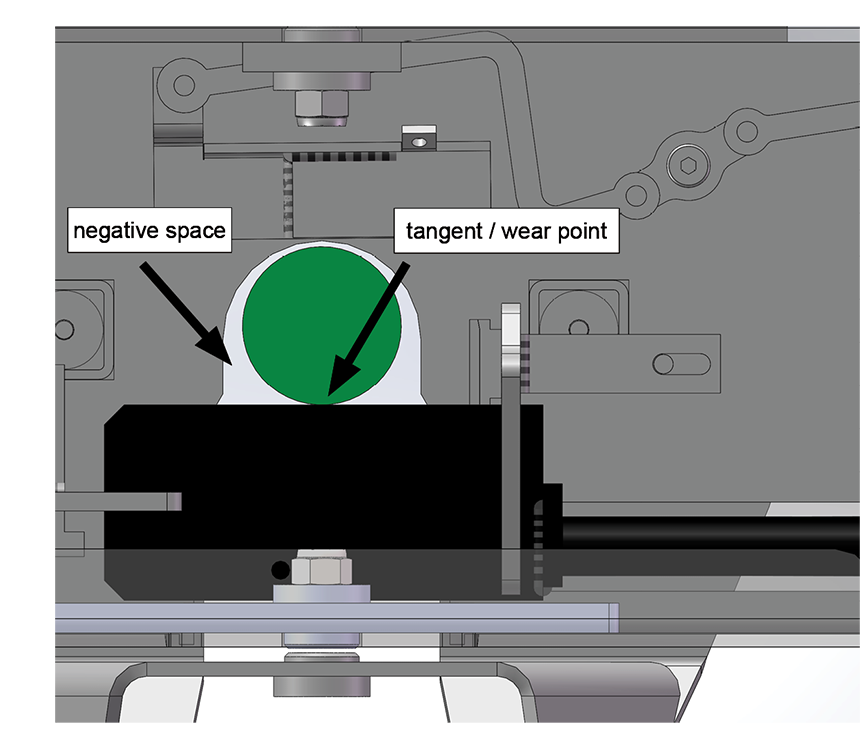
A straight bar that slides behind the pin is simpler and safer than a hook or clamshell. But a round pin pressing on a flat bar only touches at one point, so you still get focused wear and that forward-and-back movement that makes the ride harsh. The modified U-shaped slide bar pivots instead of wrapping, and leans on three pivot points with hardware smaller than the pin.
PullRite's fully-automatic rotary jaw
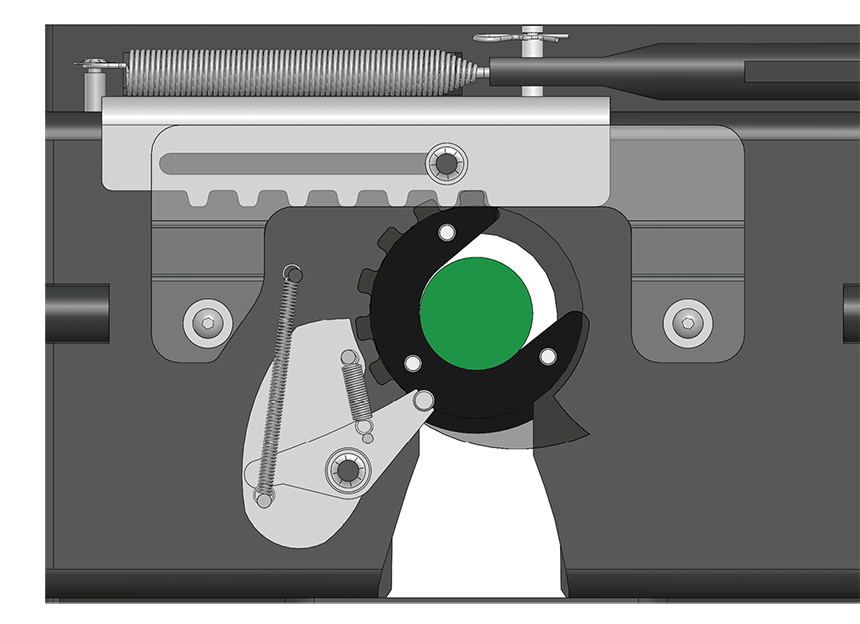
Ours is built in layers. Reinforced steel jaw parts lock inside a channel formed between the steel plates, and the jaw rotates 140 degrees around the back of the king pin to wrap 320 degrees of it. The pin is sandwiched in steel; to get it loose you would have to tear through the metal itself. There are no safety pins to set, and you feel it engage.
And it lifts out in seconds
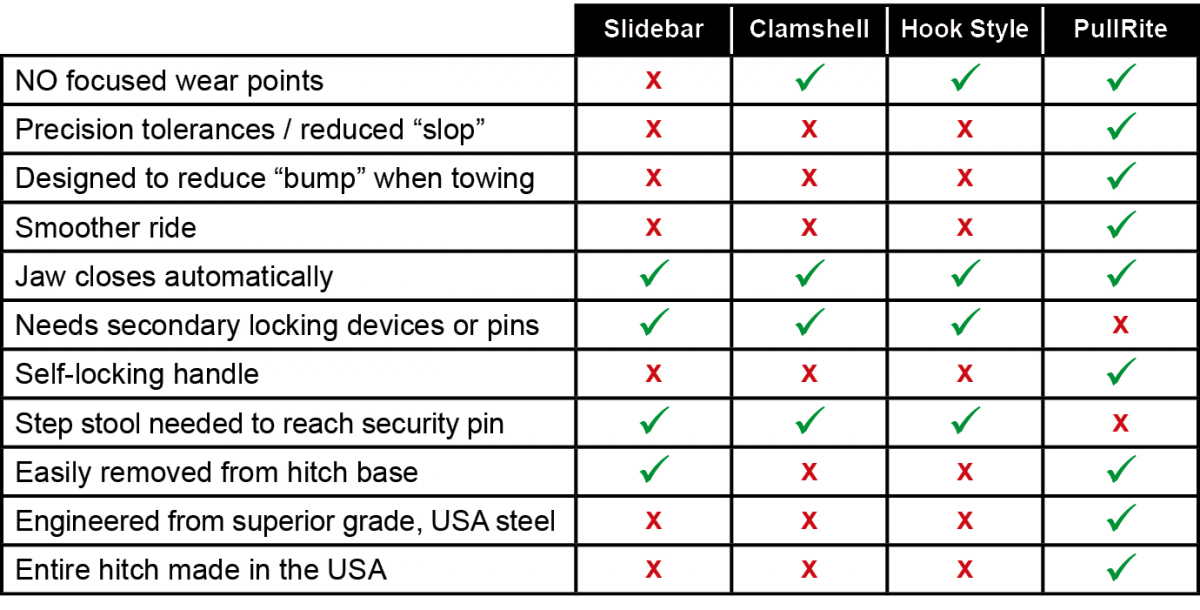
Two pins and clips free the 40 lb head from the hitch, so you lift a manageable piece into a bed that is often shoulder-high, with no pry bars, no bolting, and no step stool. Every part is laser-cut from superior-grade American steel to tight tolerances. Hook up, glance at the jaw, and go.