
A fifth-wheel hitch lives in the bed of your truck and carries the front pin of your trailer. Get the wrong one and you fight your truck on every turn, or you bolt in more steel than you need. This page walks through how PullRite hitches actually work, how they mount, and how the pieces fit together so you can pick the right setup the first time. We have built towing products in America since 1974, and most of what follows comes down to one idea: how the hitch connects to the truck.
How the hitch connects to your truck
Every fifth-wheel hitch has to grab the truck frame, not just the bed sheet metal. How it does that is the single biggest decision you'll make, because it sets which PullRite models you can run and how much work the install takes. There are three common ways trucks come from the factory, plus the older rail method.
OE puck systems
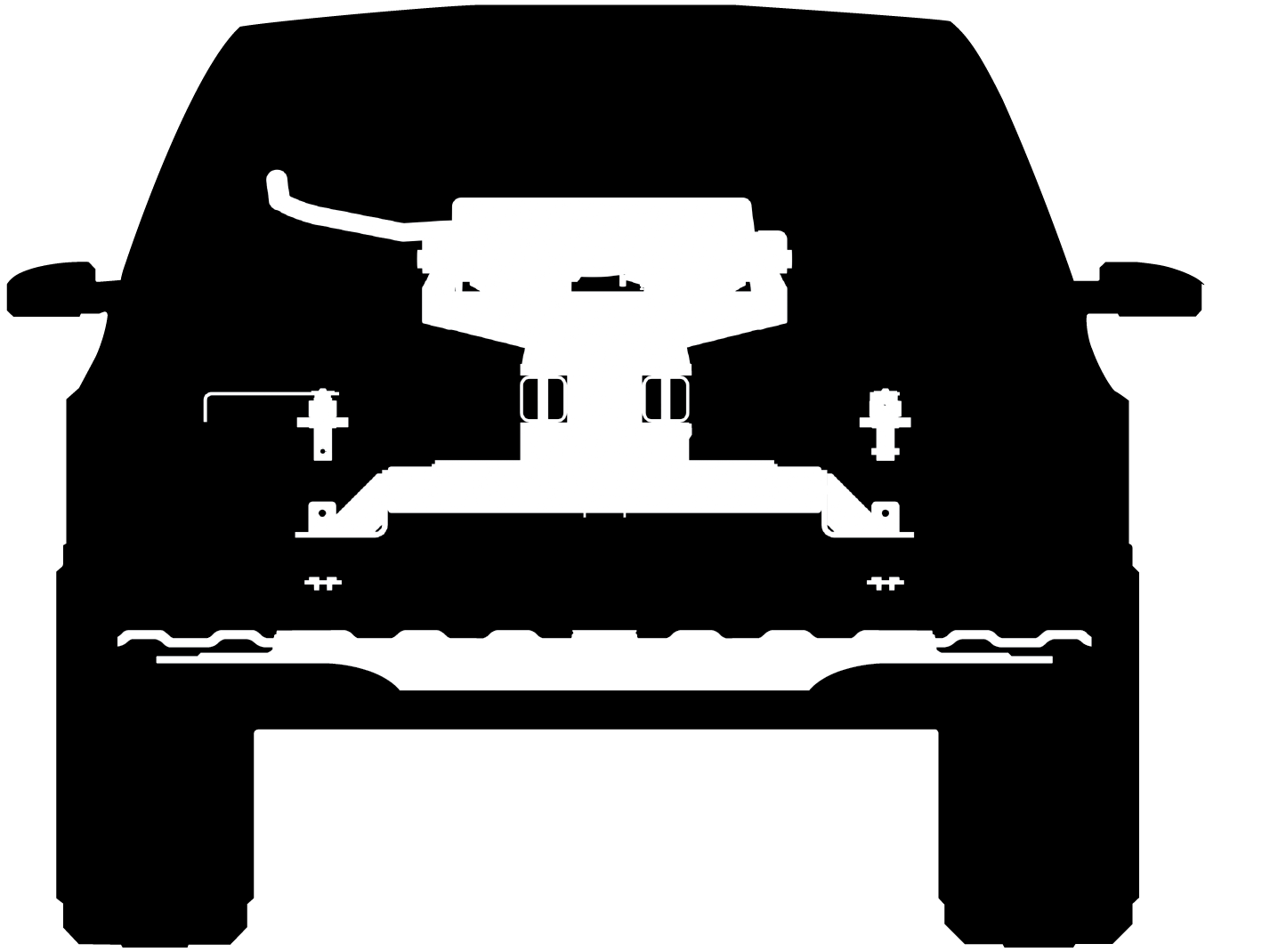
Many late-model trucks ship with a factory puck system in the bed. OE means original equipment, the prep the truck maker built in. You see four or five capped holes in the bed floor that tie straight into the frame. A puck-mount hitch drops its legs into those holes and locks down with handles or pins. No drilling, and the hitch comes out in minutes when you want a clean bed. If your truck has pucks, that's usually the easiest and cleanest path.
OE gooseneck ball (single point attachment)
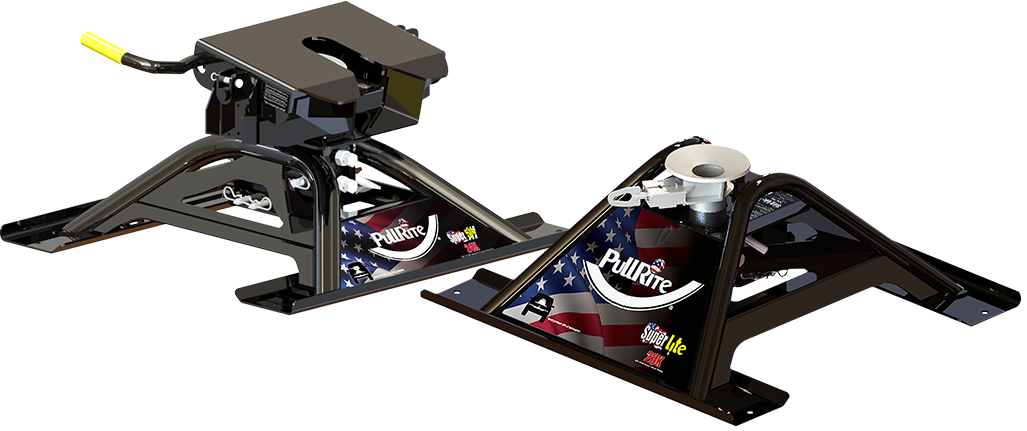
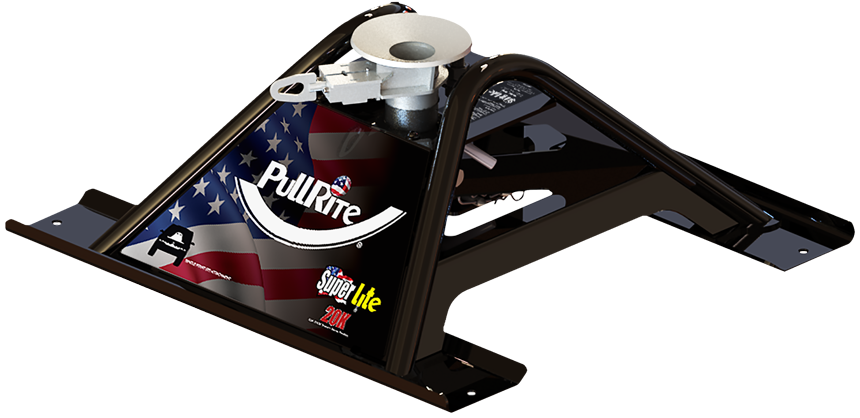
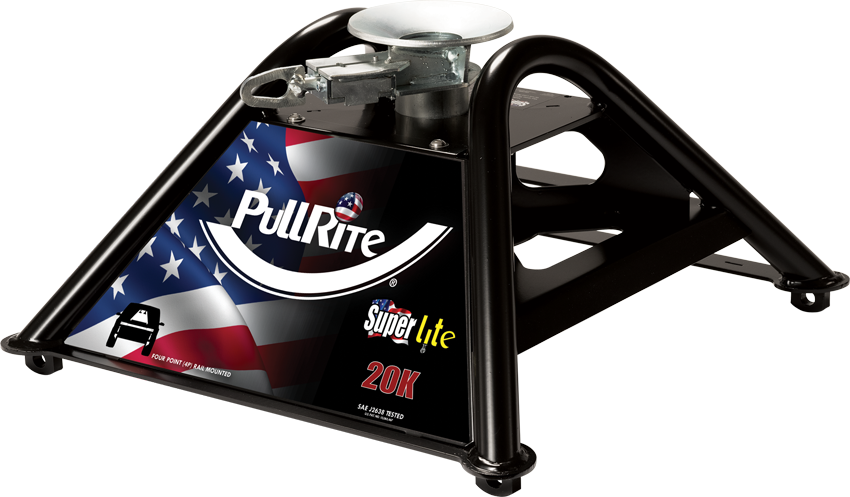
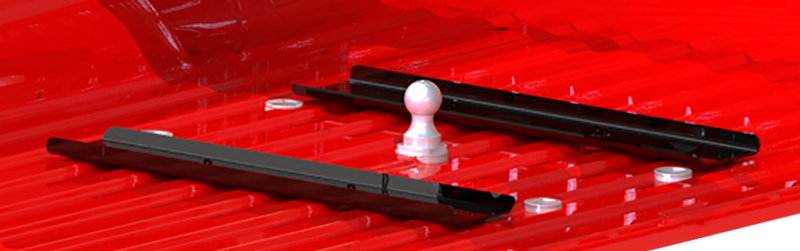
Some trucks come prepped with a factory gooseneck ball in the bed. PullRite's Single Point Attachment hitches use that one ball as the anchor. Our SuperLite (#2600) and Super 5th (#3900) bolt to the gooseneck ball, so a truck built for a gooseneck trailer can pull a fifth-wheel instead. One connection point, fast in and out, and the bed stays open when the hitch is gone. This is what we mean by Single Point Attachment: the whole hitch loads through a single, factory-rated point.
ISR rails
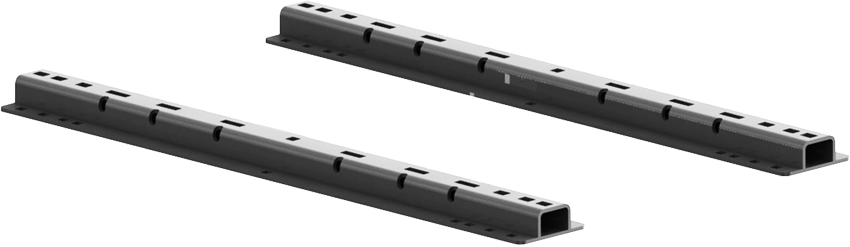
ISR stands for Industry Standard Rails, the rail pattern most aftermarket fifth-wheel hitches are built around. PullRite's SuperLite ISR Series (#2400) and our ISR Series Rails work with this pattern. If your truck has no factory prep, rails are the way to add it: you mount a rail base to the frame, then set the hitch into the rails. Because the pattern is an industry standard, ISR rails open up a wide range of hitch choices.
Gooseneck adapters
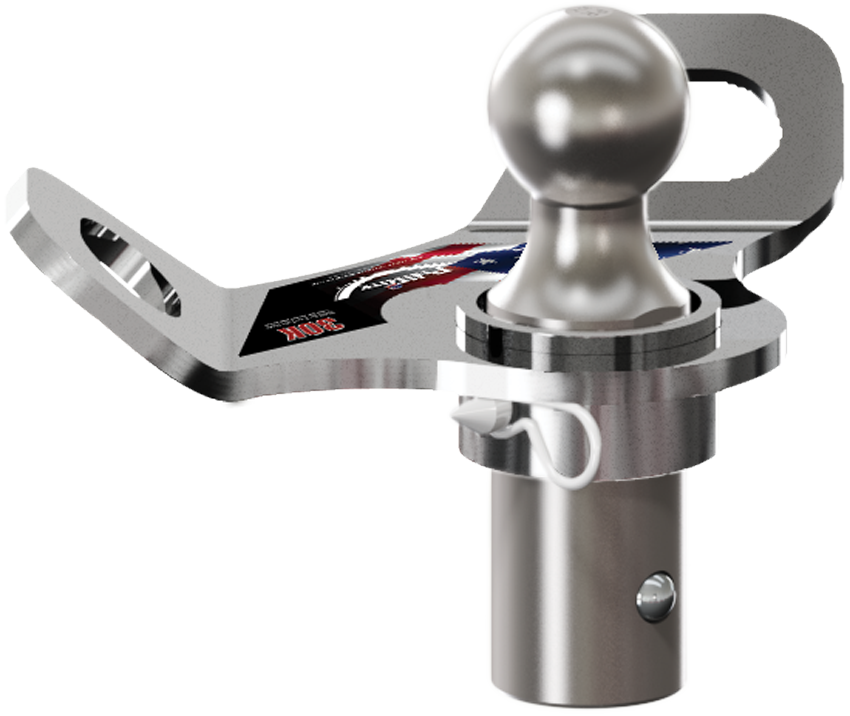
If your truck has a gooseneck ball but you'd rather not run a full Single Point hitch, a gooseneck adapter is the lighter answer. It converts the gooseneck ball to a fifth-wheel connection. It's a budget- and weight-conscious option for lighter trailers, though a dedicated fifth-wheel hitch tracks and tows better under heavier loads.
Sliding vs. fixed: clearance for short-bed trucks
Here's the problem short-bed owners run into. In a tight turn, the front of the trailer swings toward the back of the cab. With a long bed, you have room. With a short bed or super short bed, a fixed hitch can let the trailer crunch your cab window or tailgate. That's where the hitch style matters.
SuperGlide auto-slide
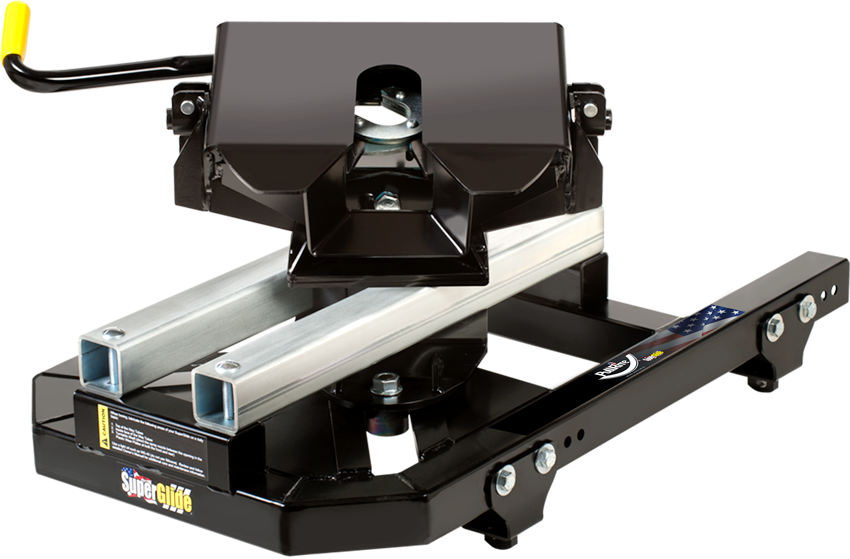
Our SuperGlide is built for short-bed and super short-bed trucks. It's an automatic slider: as you turn, the hitch slides the trailer back to keep it clear of the cab, then slides forward again when you straighten out. You don't pull a handle or stop and reposition. The truck's own motion drives it. We build SuperGlide for short beds and a dedicated version (#3100 and #3200) for super short beds, where clearance is tightest.
Fixed hitches for long beds
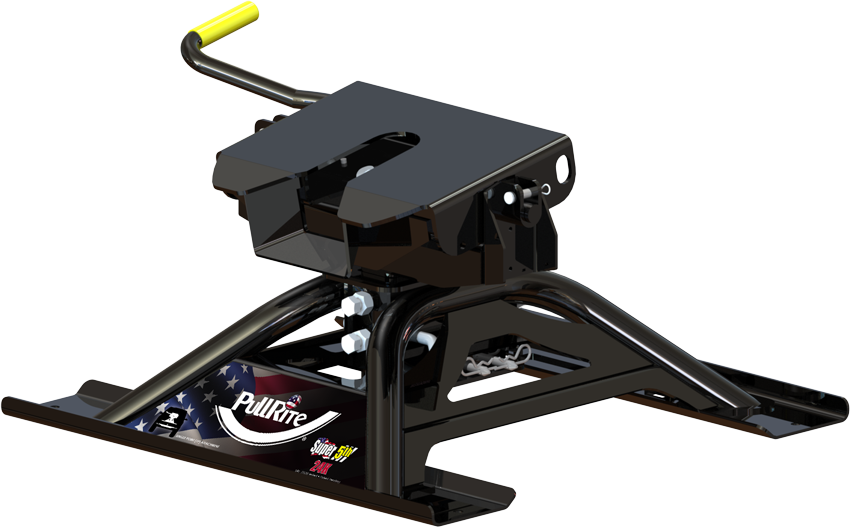
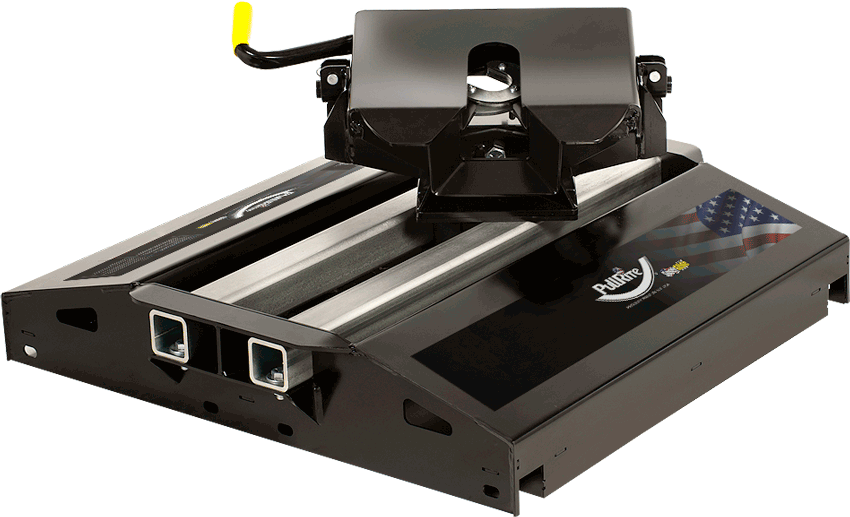
If you run a long bed, you don't need a slider. There's already enough room between the cab and the trailer, so a fixed hitch like the Single Point Super 5th (#3900) keeps things simpler and lighter. Match the hitch to your bed length and you carry no weight you don't need.
Traditional Series SuperGlide
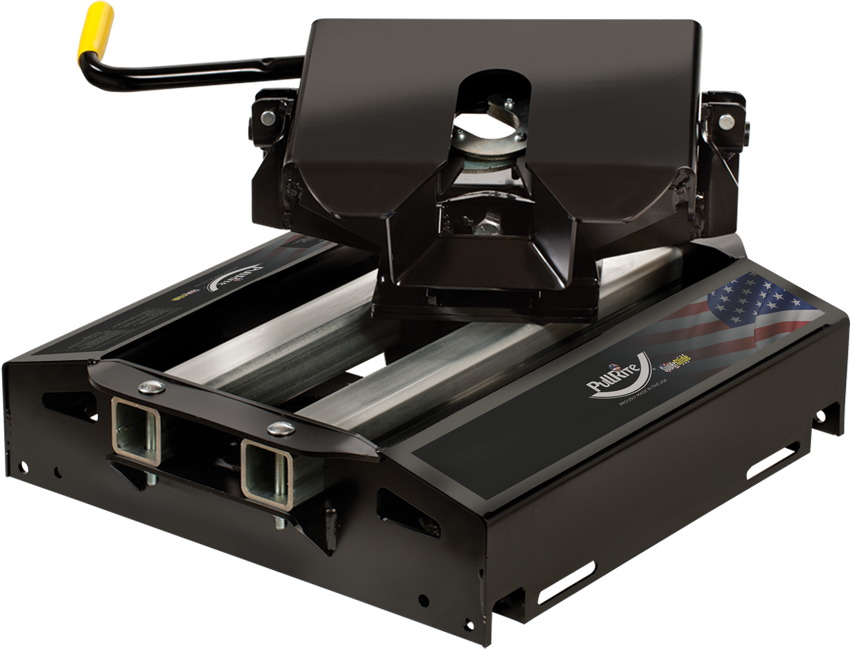
The Traditional Series SuperGlide is the rail-mounted version of our auto-slide for trucks set up on standard rails rather than a single factory point. Same idea, the trailer slides back in the turns, mounted to a traditional rail base.
PullRite technology that makes the install cleaner
Clean Bed Technology
Clean Bed Technology is what lets a PullRite hitch come out and leave your bed flat and usable. When the hitch is removed, you're left with the factory connection point or capped pucks, not a cage of rails taking up the whole bed. Haul mulch on Saturday, tow the camper on Sunday.
Nut Tab Technology
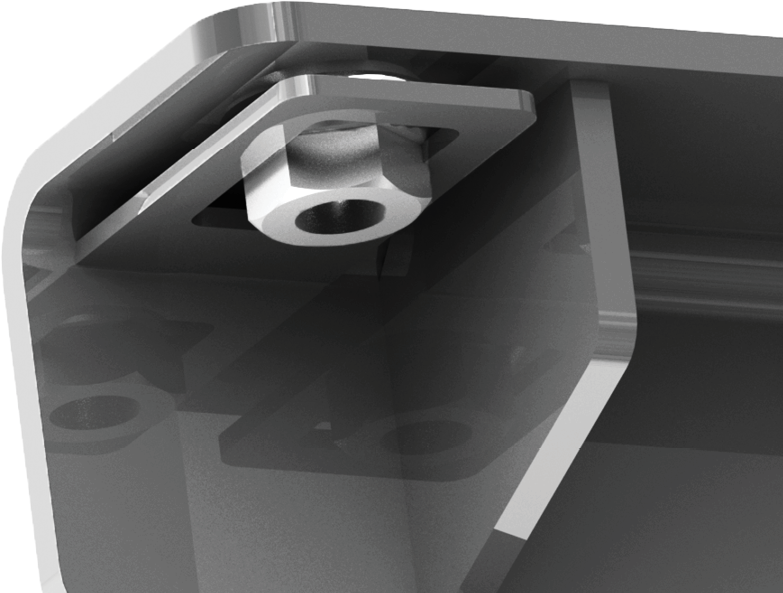
Nut Tab Technology speeds up the install. It captures the mounting nuts so you're not reaching blind under the truck or dropping hardware in the frame rail. Fewer hands needed, faster bolt-up, fewer headaches on the driveway.
The PullRite Hitch Plate and Bed Saver Rails
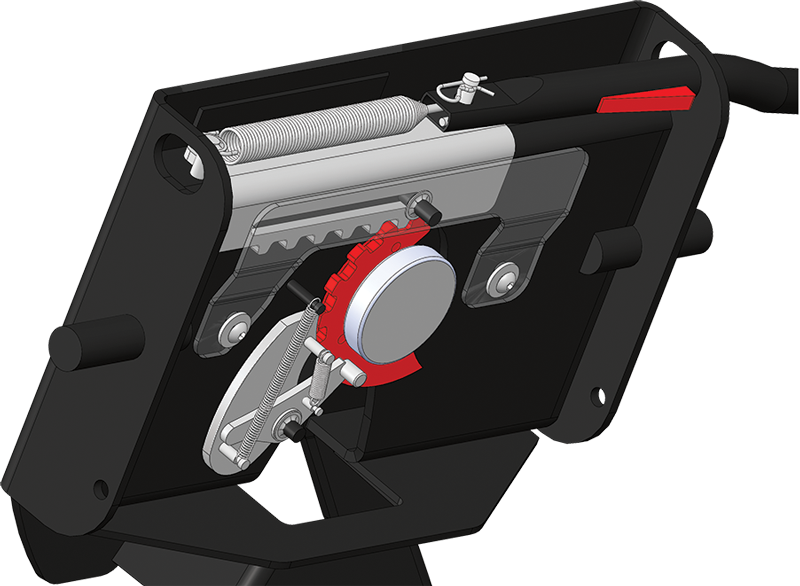
The PullRite Hitch Plate is the upper part that grabs your trailer's kingpin. Bed Saver Rails protect your truck bed at the mounting points and give the hitch a clean, solid base to sit on. Together they make a connection that's strong where it matters and easy on the truck where it sits.
How to choose your setup
Two questions get you most of the way there.
- What prep does my truck have? Factory pucks point you to a puck-mount hitch. A factory gooseneck ball points you to a Single Point hitch or an adapter. No prep means ISR rails to add a mount.
- How long is my bed? Short bed or super short bed means you want a SuperGlide auto-slide for cab clearance. Long bed means a fixed hitch will do the job with less weight.
From there it comes down to how heavy you tow and how light you want the hitch. Our SuperLite line keeps the weight down for lighter trailers; Super 5th and SuperGlide carry the heavier loads.
Built strong, built here
PullRite fifth-wheel hitches are American-made and have been since 1974. The reason a hitch can connect through a single factory point or a clean puck system and still pull a loaded fifth-wheel is engineering, not luck. We'd rather you understand exactly how the connection works than take our word for it.
Still not sure which setup fits your truck? Call our Customer Service team at 800.443.2307 and we'll walk through your year, make, model, and bed with you.